What's The Best Way To See The Monuments At Night?
Compare trolley, bus, and walking night tours of the National Mall with real prices, durations, and honest advice to find the best way to experience DC's illuminated monuments after dark.
What's The Best Way To See The Monuments At Night?
For most first-time visitors, a guided trolley or bus tour is the best way to see the monuments at night because it covers more ground in less time, eliminates the stress of finding your way around, and adds live historical context that a self-guided walk cannot match. Walking tours offer a more intimate pace and lower price point but cover fewer memorials, while a self-guided stroll is free but leaves you without stories or logistics support.
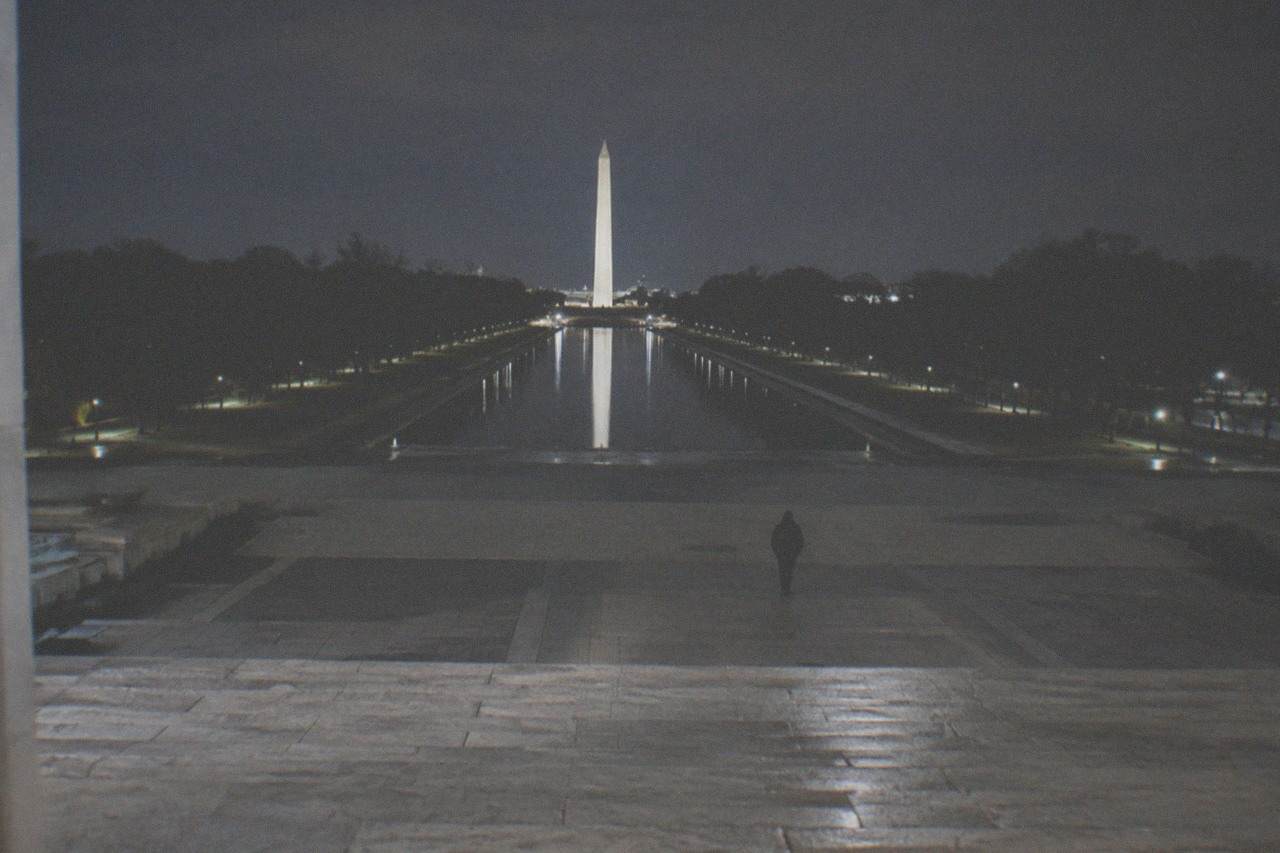
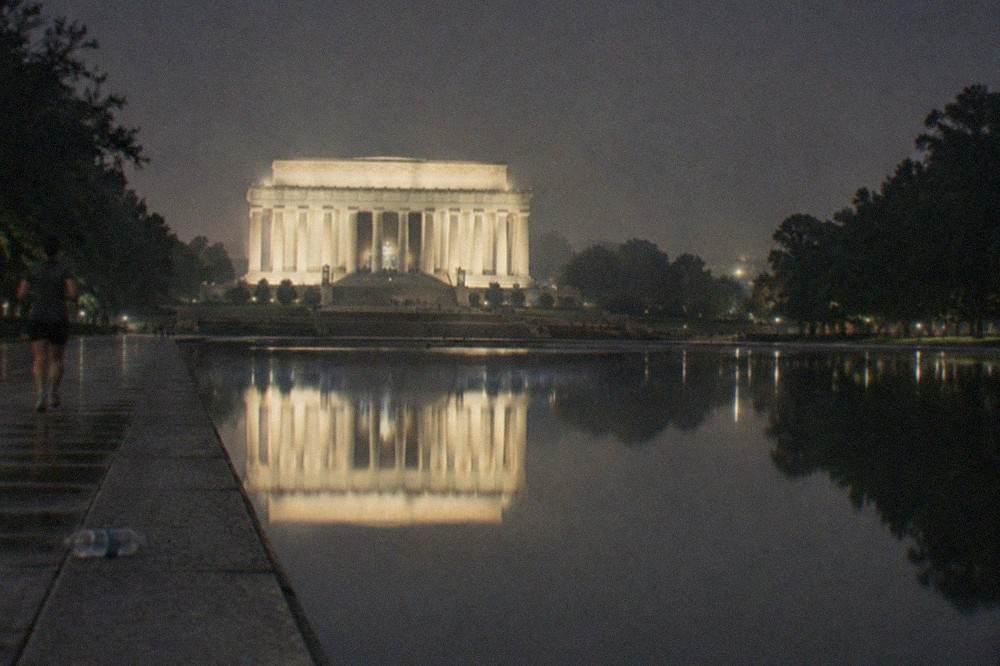
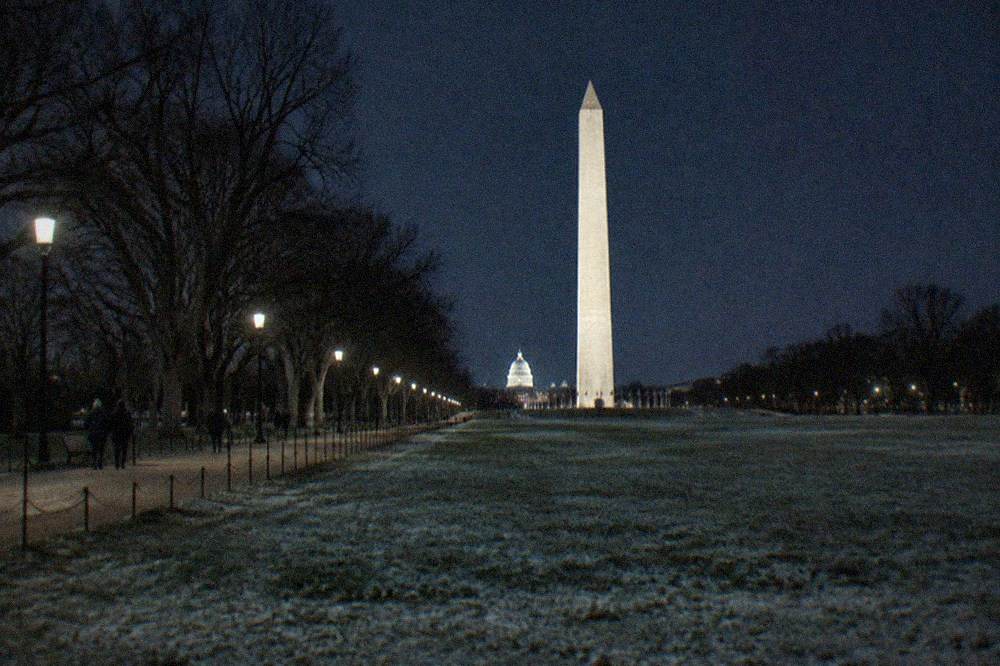
The National Mall’s outdoor memorials stay open around the clock, and the lighting transforms them into a completely different experience after sunset. The Lincoln Memorial glows against the dark sky, the World War II Memorial’s fountains shimmer, and the Washington Monument stands as a bright obelisk visible from blocks away. But the question is not whether the monuments are worth seeing at night: they are. It is how to see the most of them without wasting time, getting tired, or missing the stories that make each stop meaningful.
The guided tours compared on Washington DC Night Tours all include free cancellation and real guest reviews, so you can book with confidence. The three main guided formats, trolley, bus, and walking, each have distinct trade-offs in price, duration, and comfort. The table below compares the three tours most often chosen by visitors, all of which carry free cancellation and real guest ratings.
The Moonlight Trolley tour is the roster’s hero product: 4.5 from 4,198 reviews, a 2.5-hour loop that stops at the major memorials, and a covered trolley that works in any weather. The Dusk Bus Tour is a close alternative with a 4.6 from 315 reviews and a similar route, though its duration is listed on the live listing and may vary. The walking tour is the cheapest at $40 and the only one on foot, but it covers fewer stops in two hours and carries a perfect 5.0 from its small early review count, a strong signal for a handful of guests, though not yet backed by a large review pool.
| Tour | Price (from) | Duration | Rating | Reviews | Format | Meeting Point |
|---|---|---|---|---|---|---|
| Moonlight Trolley | $59.95 | 2 hr 30 min | 4.5 | 4,198 | Trolley | Washington Welcome Center or Union Station |
| Dusk Bus Tour | $64 | varies, check listing | 4.6 | 315 | Bus | 701 Pennsylvania Ave NW |
| Monuments Walking Tour | $40 | 2 hr | 5.0 | 5 | Walking | Gifts & Cafe, Henry Bacon Dr NW |
Guided Tour Options: Trolley, Bus, Or Walking?
The trolley offers the most comfortable ride and the deepest review history, the bus provides a slightly different route and a strong rating from a smaller pool, and the walking tour is the most affordable and immersive but physically demanding and geographically limited to a handful of memorials within a two-hour walk radius.
Choosing among them comes down to how much you want to spend, how much you want to walk, and what kind of narration you prefer. The trolley’s open-sided design (with clear roll-down panels in bad weather) gives you a panoramic view of the monuments as you ride between stops. Guides trained by Historic Tours of America deliver a scripted but lively narrative that covers the Lincoln Memorial, the Vietnam Veterans Memorial, the Korean War Veterans Memorial, the World War II Memorial, and the Washington Monument, among others. The route usually includes a stop at the Iwo Jima Memorial across the Potomac, though the operator’s listing notes that a bridge closure can occasionally remove that stop from the itinerary.
The bus tour, operated by a different company and listed on the live booking platforms, follows a similar circuit but may include hotel pickup depending on the option selected, a convenience the trolley and walking tours do not offer. Its enclosed cabin makes it the warmest choice during cold winter months, and the 4.6 rating from 315 reviews suggests consistently positive experiences, though the review pool is far smaller than the trolley’s.
The walking tour, departing from the Gifts & Cafe on Henry Bacon Drive, is a two-hour stroll that hits the core memorials at a slower pace. You will not see as many stops as the trolley or bus, but you will spend more time at each one, and the guide can answer questions in a smaller group. The $40 price makes it the cheapest bookable monuments-by-night product on the site, and the 5.0 rating from five reviews suggests early guests were delighted, though the sample is too small to treat as a proven track record. This tour is best for travelers who enjoy walking and want a more personal experience, but it is not ideal for young children or anyone with mobility concerns given the two-hour duration on foot.
For the widest audience, the Moonlight Trolley remains the safest recommendation. It has carried tens of thousands of guests, runs nightly, and departs from two convenient locations. The trolley’s 2.5-hour runtime is long enough to cover the full circuit without feeling rushed, and the covered seating means a sudden rain shower will not ruin the evening.
Why A Guided Tour Beats A Self-Guided Walk At Night
A self-guided walk saves money and lets you set your own pace, but it sacrifices the historical narration, route efficiency, and logistical ease that a guided tour provides. First-time visitors exploring the Mall after dark will miss the stories behind each memorial and may waste time figuring out the best route, while a tour handles all of that.
Walking the National Mall on your own is entirely possible. The memorial grounds are open 24 hours a day, the paths are lit, and the United States Park Police patrol the area around the clock. You can stroll from the Lincoln Memorial to the Washington Monument and back without a ticket or a guide, and many locals do exactly that on mild evenings. But a self-guided walk comes with hidden costs: you will need to plan a route, figure out parking or Metro access, and bring your own context. Without a guide’s stories, the monuments are beautiful but silent: you miss the symbolism of the Vietnam Veterans Memorial’s reflective granite, the design details of the World War II Memorial’s pillars, and the reason the Korean War Veterans Memorial’s statues are arranged the way they are.
A guided tour also handles the practical headaches. The trolley and bus tours depart from fixed meeting points with clear instructions, and the walking tour meets at a cafe where you can grab a coffee before setting out. You do not need to worry about which memorials are closed for maintenance, because the guide will know, or how to time your visit to avoid the largest crowds. The walking tour’s two-hour format is the closest thing to a self-guided stroll but with a guide, and at $40 it is a modest premium over free for the added value of stories and a pre-planned route. For a broader look at how the Mall feels after dark, our National Mall at night guide covers the logistics of going solo in more detail.
What To Expect After Dark On The National Mall
The memorials are fully lit and open all night, rangers are on duty until 10:00 p.m., and the crowds thin out significantly after sunset, but the Washington Monument’s interior closes at 5:00 p.m. and some areas may have temporary construction closures that a guided tour will navigate around.
The National Mall at night is a different place than the daytime version. The crowds that fill the steps of the Lincoln Memorial at noon are largely gone by 9:00 p.m., replaced by a quieter, more contemplative atmosphere. The lighting design at each memorial is deliberate: the Lincoln statue is softly lit from within, the Vietnam Veterans Memorial’s names glow under subtle ground lights, and the World War II Memorial’s fountains and arches are illuminated in a way that makes the whole plaza feel like a monument itself. The World War II Memorial’s fountain and lighting systems were modernized in early 2026, so the nighttime effect is now even sharper with new in-fountain and exterior lights.
Construction and maintenance are a reality on the Mall. In 2026, the Lincoln Memorial Reflecting Pool walkways were under repair through September, and the World War II Memorial had partial closures during its lighting upgrade earlier in the year. A guided tour operator will know about current conditions and adjust the route accordingly, which is another reason to book a tour rather than self-navigate. The NPS hours page lists current alerts, and the trolley and bus operators incorporate those updates into their nightly runs. The Washington Monument itself closes one day each month for maintenance, but since night tours only view it from the outside, that closure rarely affects the experience.
Planning Your Monuments-By-Night Outing
Start by picking two or three monuments rather than trying to see everything in one night, since crowds thin out after sunset and most memorials stay open to walkers around the clock. Check each site's evening hours in advance, wear comfortable shoes, bring water, and plan your route so you end near a Metro station for an easy ride back to your hotel.
All three monuments-by-night tours on this site offer free cancellation up to 24 hours in advance, which means you can reserve a spot without locking yourself in. The Moonlight Trolley departs from either the Washington Welcome Center at 1001 E St NW or Union Station; check which is closer to your hotel when booking. The Dusk Bus Tour meets near 701 Pennsylvania Avenue NW, and some options include hotel pickup, so read the listing carefully to see if that applies to your reservation. The walking tour starts at the Gifts & Cafe on Henry Bacon Drive, a short walk from the Lincoln Memorial. Each listing provides the exact meeting point and a contact number, and the guides are easy to spot; they usually carry a sign or wear a branded shirt.
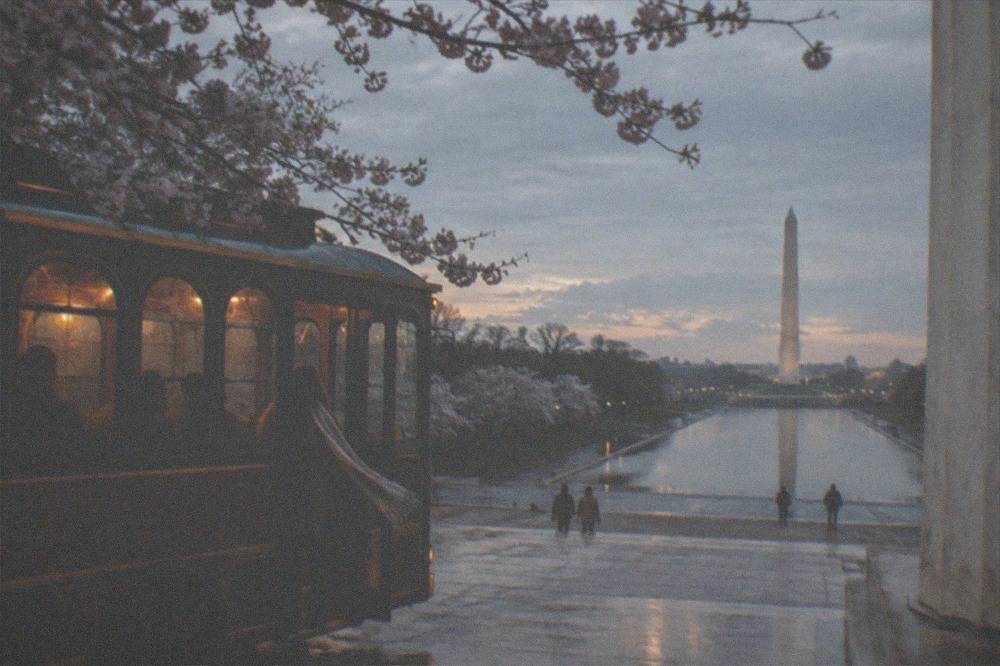
Weather in Washington, DC, varies sharply by season. Summer nights are warm and humid, so light layers and water are sensible. Fall and spring evenings can turn cool quickly, especially near the river, so a jacket is wise even if the afternoon felt hot. Winter tours run as scheduled, but the open-sided trolley can feel cold despite the roll-down panels; a heavy coat, gloves, and a hat make a big difference. The bus tour's enclosed cabin is the warmest option in cold months, and the walking tour keeps you moving, which helps, but you will still want warm layers.
Timing matters too. The earliest evening departures catch the transition from sunset to full darkness, which photographers love. Later departures see fewer crowds and a more serene atmosphere. The trolley and bus tours offer multiple departure times, while the walking tour typically starts once per evening. Check the live listing for the exact schedule on your date, and if you are visiting during a holiday weekend or peak season, book earlier rather than later: the most popular time slots can sell out.
For a deeper dive into the differences between bus and trolley formats, see our bus versus trolley comparison. If you are still weighing which monuments tour fits your trip, the full monuments-by-night guide walks through all four formats with more detail. And if you have any concerns about safety, our guide to National Mall safety at night covers the facts and official guidance.
While the exact route can shift slightly with traffic, construction, or guide discretion, each tour typically makes time for several extended photo stops where you step off the vehicle and walk right up to the memorials. On the trolley and bus tours, you will usually disembark at the Lincoln Memorial, the Vietnam Veterans Memorial, and the Korean War Veterans Memorial, and you will often get an additional stop near the Martin Luther King, Jr. Memorial or the Franklin Delano Roosevelt Memorial. The walking tour covers fewer memorials in total but lingers longer at each, so your guide can point out architectural details, hidden inscriptions, and personal stories tied to the names on the wall or the faces in the statues. Most tours run between two and three hours, with roughly half that time spent on the vehicle and half at the stops.
Night photography at the monuments calls for a few mental notes even if you are only using a phone. The lighting design at each memorial is intentionally dramatic: at the Korean War Veterans Memorial, the ground-level uplights cast long shadows across the soldier figures, and a slow shutter speed can capture a ghostly, mist-like effect if the night is humid. A tripod is not practical on the trolley or bus because the vehicles move and the walking areas can get crowded, but a monopod or a small folding travel tripod often works fine on the walking tour. If you are shooting through the bus window, a lens hood pressed flat against the glass cuts interior reflections, or you can drape a dark jacket over the camera. The open-sides of the trolley give you a completely clear frame, though at speed you will want a shutter speed of at least 1/125 second to freeze the view. For the best wide-angle shot across the Reflecting Pool toward the Washington Monument, the top of the Lincoln Memorial steps is the classic spot, but the area near the WWII Memorial fountain also yields strong compositions, especially when the water catches the colored lights after dusk.
A few practical points often get overlooked. None of the trolley or bus tours have a restroom on board, and public restrooms on the National Mall close early, so use the facilities at your meeting point before departure. The walking tour passes near restrooms only at the very beginning and very end, so plan accordingly. If you want to bring a snack, a small bag of something quiet and easy to handle is fine; open containers of alcohol are not permitted on the vehicles or on National Park Service land. All three formats can accommodate a standard collapsible wheelchair if the operator knows in advance, but the walking tour includes steps at multiple memorials, so check with the vendor directly if mobility is a concern. For a pre-tour meal, Union Station’s lower level has a food court and sit-down options within a two-minute walk of the trolley meeting point, while the Dusk Bus Tour pickup is a short stroll from the restaurants along 7th Street NW near the Verizon Center area. The walking tour start at Henry Bacon Drive puts you within a ten-minute walk of the Foggy Bottom neighborhood, where several casual spots stay open late. Finally, while the Mall is well-lit and patrolled, it is wise to keep your phone charged and stay with your group after the tour; your guide will usually point you toward the nearest metro station or help you call a ride if needed.
Common Questions About Seeing The Monuments At Night
What's The Best Way To See The Monuments At Night?
A guided trolley or bus tour is the most efficient and informative way for first-time visitors, covering the major memorials in 2.5 to 3 hours with live narration. Walking tours are a cheaper, more intimate alternative, while a self-guided walk is free but lacks stories and route planning.
Are The Monuments Open At Night?
Yes, the outdoor memorials on the National Mall are open 24 hours a day, seven days a week, and are fully lit after dark. The Washington Monument’s interior closes at 5:00 p.m., so night tours view it from the outside only.
Is It Safe To Walk The National Mall At Night?
The Mall is well-lit and patrolled by the United States Park Police, and the surrounding Ward 2 is one of the city’s safest areas, with violent crime at a 30-year low according to the Destination DC safety page. Standard urban precautions apply, and a guided tour removes any navigation concerns.
How Much Does A Monuments-By-Night Tour Cost?
Bookable tours on this site range from $40 for a two-hour walking tour to $68 for a three-hour bus tour with hotel pickup. The most-reviewed option, the Moonlight Trolley tour, starts at $59.95. All tours include free cancellation.
Do Night Tours Go Inside The Washington Monument?
No, the Washington Monument’s interior is only open from 9:00 a.m. to 5:00 p.m. with timed tickets. Night tours stop at the monument’s grounds to view it illuminated from the outside.
What Should I Wear On A Night Tour?
Dress for the season and bring a layer even in summer, as temperatures drop after sunset. Comfortable walking shoes are essential for the walking tour. The trolley and bus are enclosed, but the trolley’s open sides can feel cold in winter, so a warm coat is recommended.